DeLaine Mayer
is passionate about the research and deployment of advanced technologies that can address the climate crisis on Earth while enabling sustainable, long-term human development off-Earth.
Today, DeLaine is focused on the global deployment of low-carbon energy solutions as a founding member and Director of External Affairs at Nebula Energy. She leads Nebula’s Carbon Capture and Sequestration (CCS) Hub development across Southeast Asia, Europe, and the U.S.
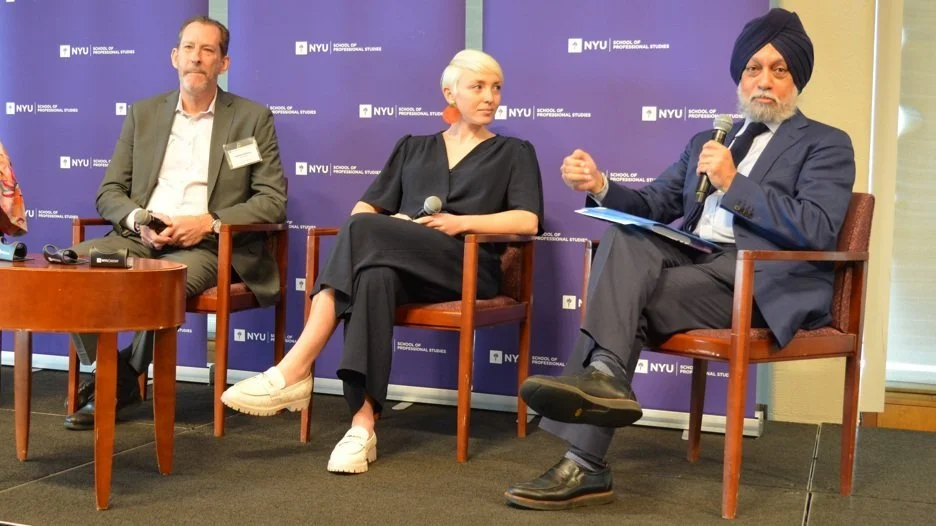
She developed and is teaching New York University’s first graduate course on Astropolitics: the Politics, Policies, and Technologies of Outer Space. Click here to learn more about Astropolitik.

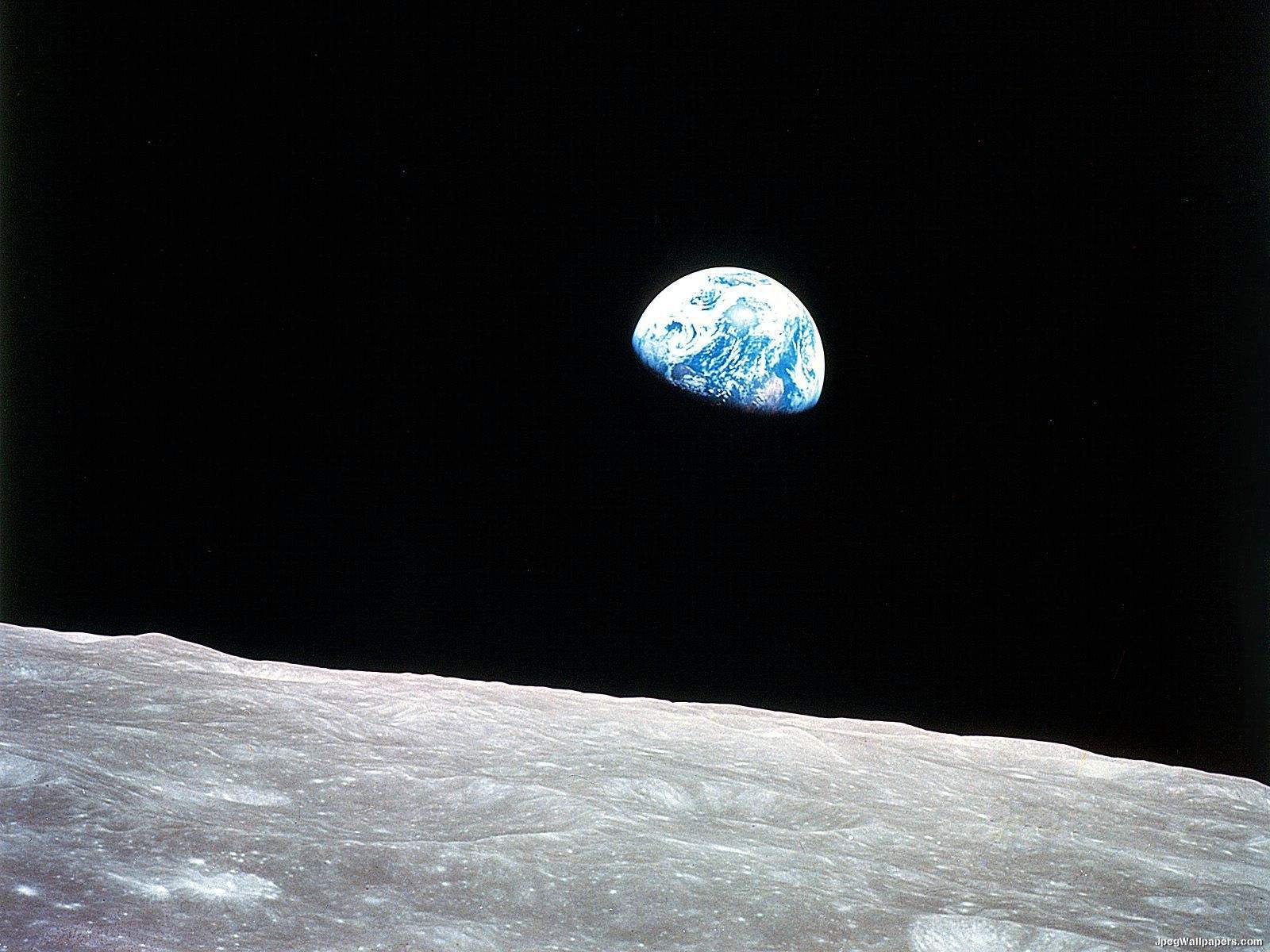
Space offers perspective, not just altitude
In 1968, Earthrise fundamentally altered scholarly and public understandings of Earth, revealing it as a single, finite, and interconnected system. The image contributed to the emergence of modern environmental thought by reframing planetary vulnerability and shared responsibility.
That perspective remains critical as we address the climate crisis and evaluate the systems - political, technological, and social - that will shape a sustainable future on Earth and beyond.
-
![]()
Previous and Current Work
DeLaine’s career has centered on advancing frontier technologies that address critical global challenges. She has contributed to the development of multi-million-dollar distributed energy projects in the United States, Mexico, and Jamaica, and played a key role in the emerging polyhydroxyalkanoate (PHA) industry, helping to deploy bioplastics technology and enable more sustainable supply chains.
Today, DeLaine is focused on innovative solutions in power generation and cooling for new data center development and carbon capture and sequestration for industrial decarbonization.
-
![]()
Selected Recognition
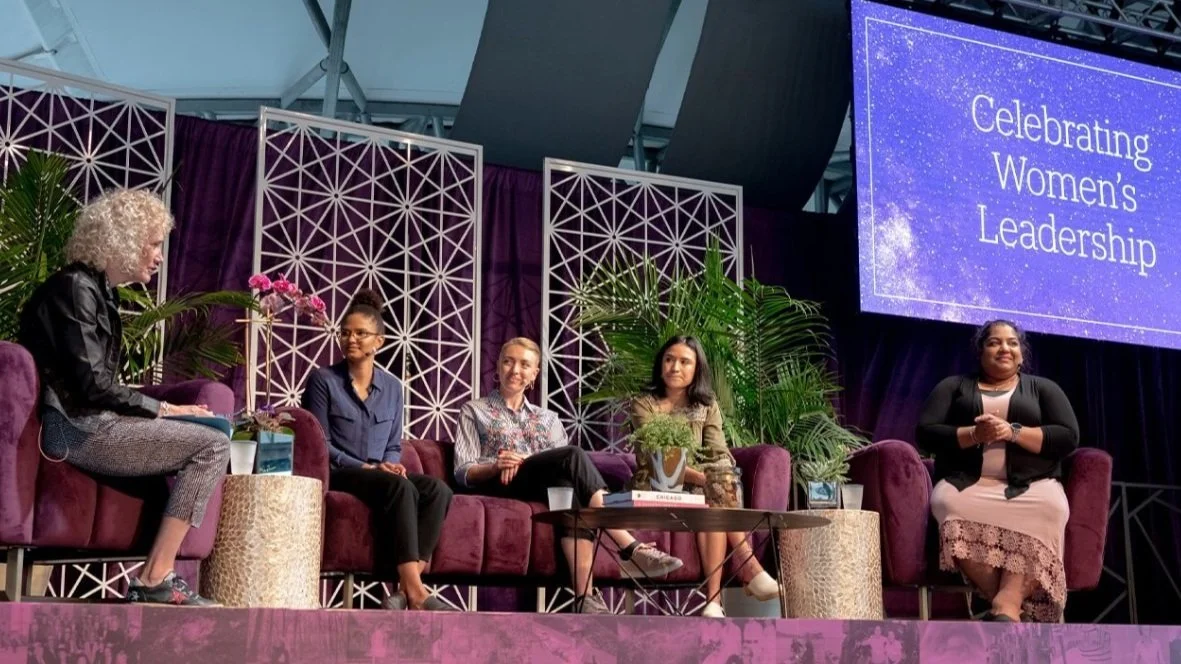
Winner of NASA iTech’s Cycle 1 Forum, contributor to West Point’s Modern War Institute and Supercluster, and past speaker at the Women’s Leadership Center in Lake Geneva.
Check out her recent published work here.
-
![]()
Education and Areas of Expertise
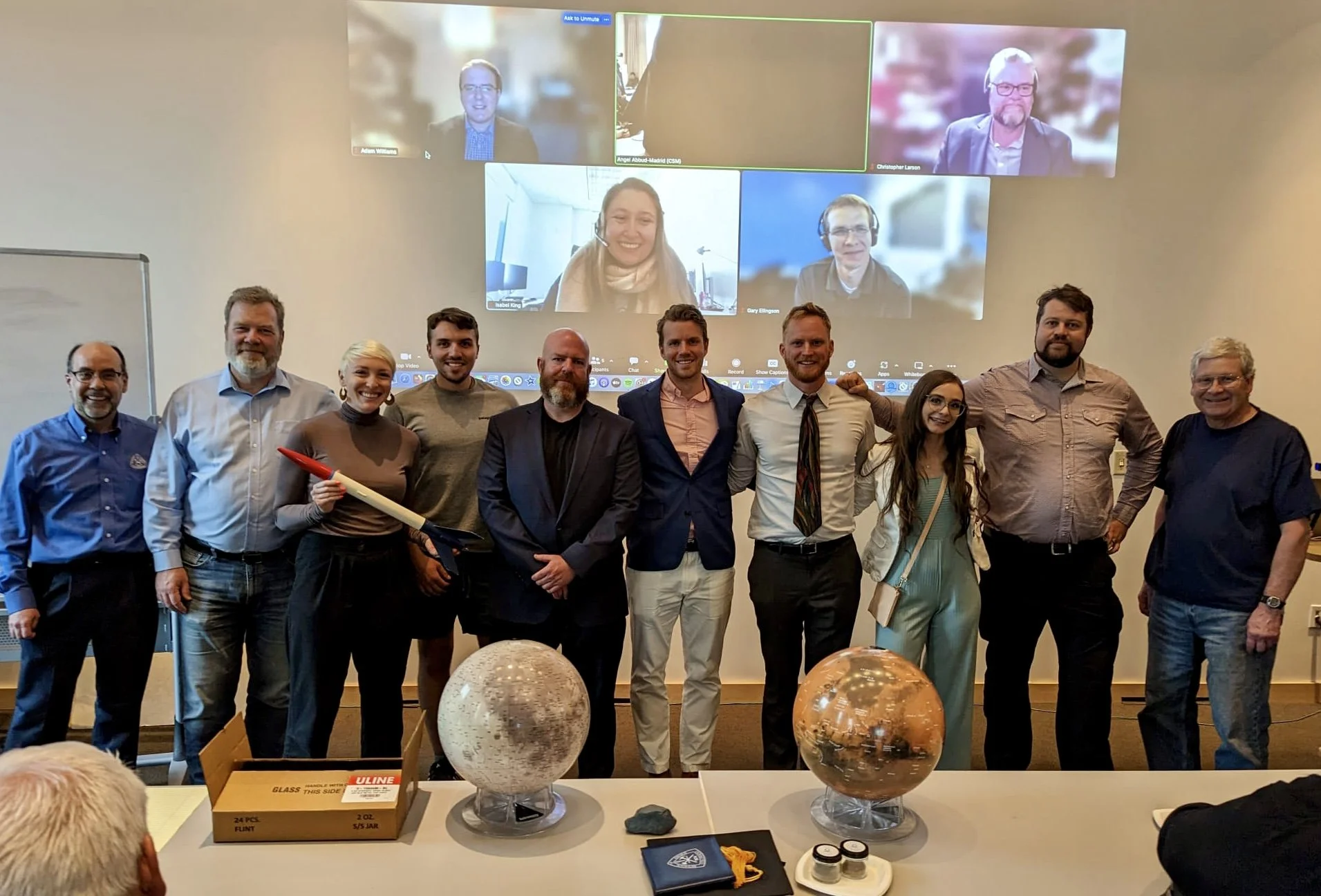
DeLaine holds an M.S. with distinction in Global Affairs from New York University (2018), where she specialized in Energy and Environmental Policy, and an M.S. in Space Resources from the Colorado School of Mines (2023), focusing on astropolitics, technology management, and space resource utilization.
She brings over a decade of experience in business development and project management for frontier technologies spanning energy, climate, and space.
-
![]()
Active Projects
Nebula Energy – Advancing LCO₂ transport solutions to scale global CCS hubs.
Orion Digital Infrastructure – Powering and cooling hyperscale data center campuses with modular, low-carbon systems.
NYU – Teaching Astropolitik, the geopolitics of space and sustainability, at the graduate level.
Mentorship – Guiding undergraduates in climate and space, with a focus on inclusive leadership.
Advisory – Supporting early-stage ventures on commercialization, policy, and narrative strategy.